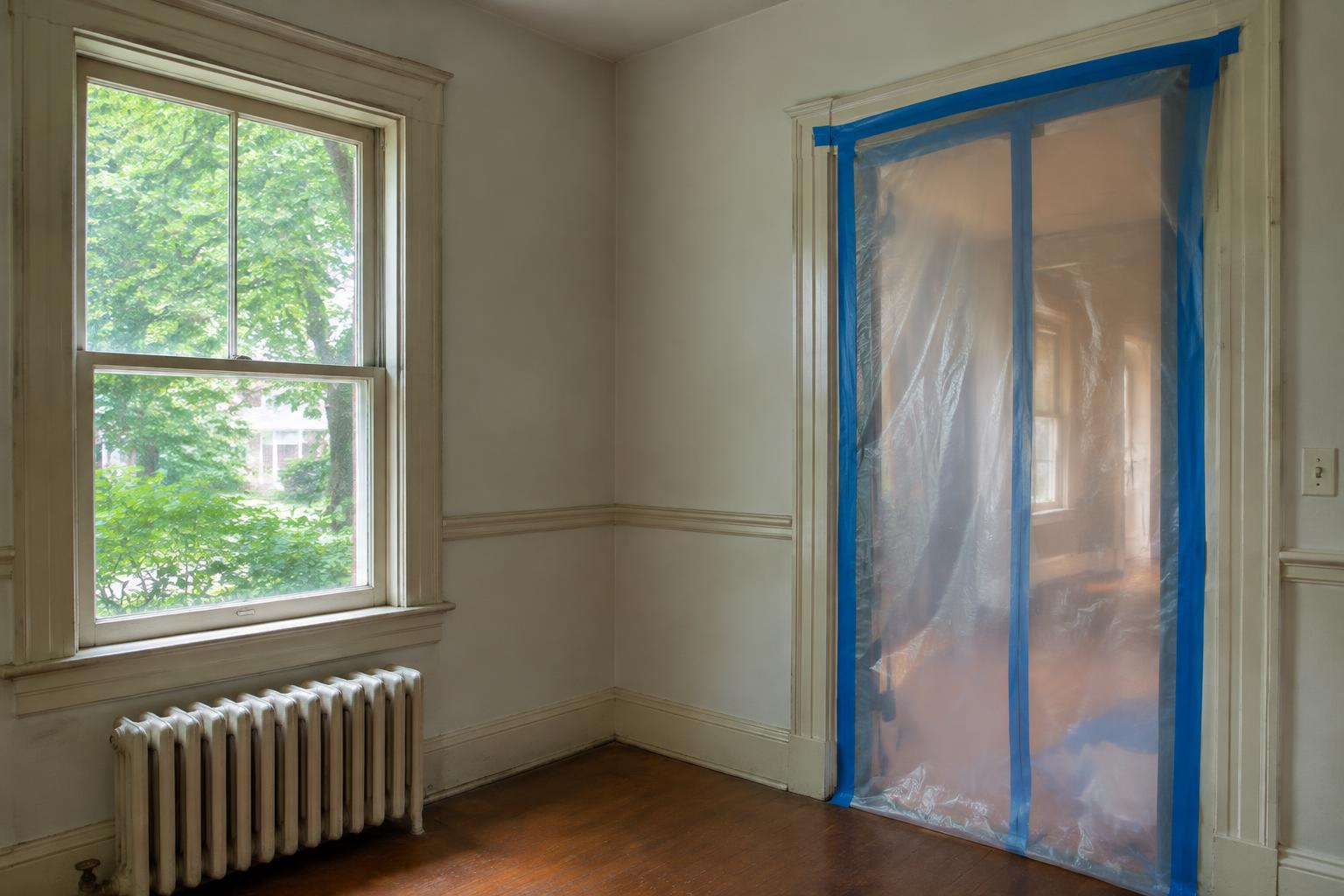
Before Demolition in a Pre-1978 DC Home: Lead-Safe Planning Questions
Midsummer heat and humidity show which rooms stay comfortable, which ones feel damp, and how the house really works when everyone is home.
A renovation in a pre-1978 Washington home should begin with questions about painted surfaces, not with a test swing of the demolition hammer. The home's age does not prove that every coating contains lead, but it establishes a reason to investigate and plan appropriately. EPA explains that homes built before 1978 are more likely to contain lead-based paint and that renovation activities disturbing it can create hazardous dust and chips.
The practical issue is not whether the home looks recently decorated. Newer coatings can cover older layers, and a modern-looking room may still include original trim or other painted components. Identify what the proposed work will disturb: walls, ceilings, cabinets, doors, windows or adjacent surfaces. Use EPA's consumer guidance to frame the conversation before selecting demolition methods, scheduling occupants or authorizing preliminary investigation.
01Ask How Paint Conditions Will Be Evaluated
Have the contractor explain how the affected painted surfaces will be assessed and documented under the requirements applicable to the project. Ask who performs any testing, what the results apply to and how the findings affect the work plan. A result for one component should not become an unsupported statement about the entire house. Likewise, a visual opinion that paint is too new to contain lead is not an adequate basis for dismissing the issue.
Define the investigation area carefully. A kitchen renovation may disturb paint beyond cabinet walls when wiring is extended or a doorway is modified. Exploratory openings can themselves disturb coatings and should be planned accordingly. Resolve how unexpected painted layers or additional work areas will be handled. The point of assessment is to guide a specific renovation scope, not to obtain a reassuring sentence that leaves the actual demolition conditions unexplained.
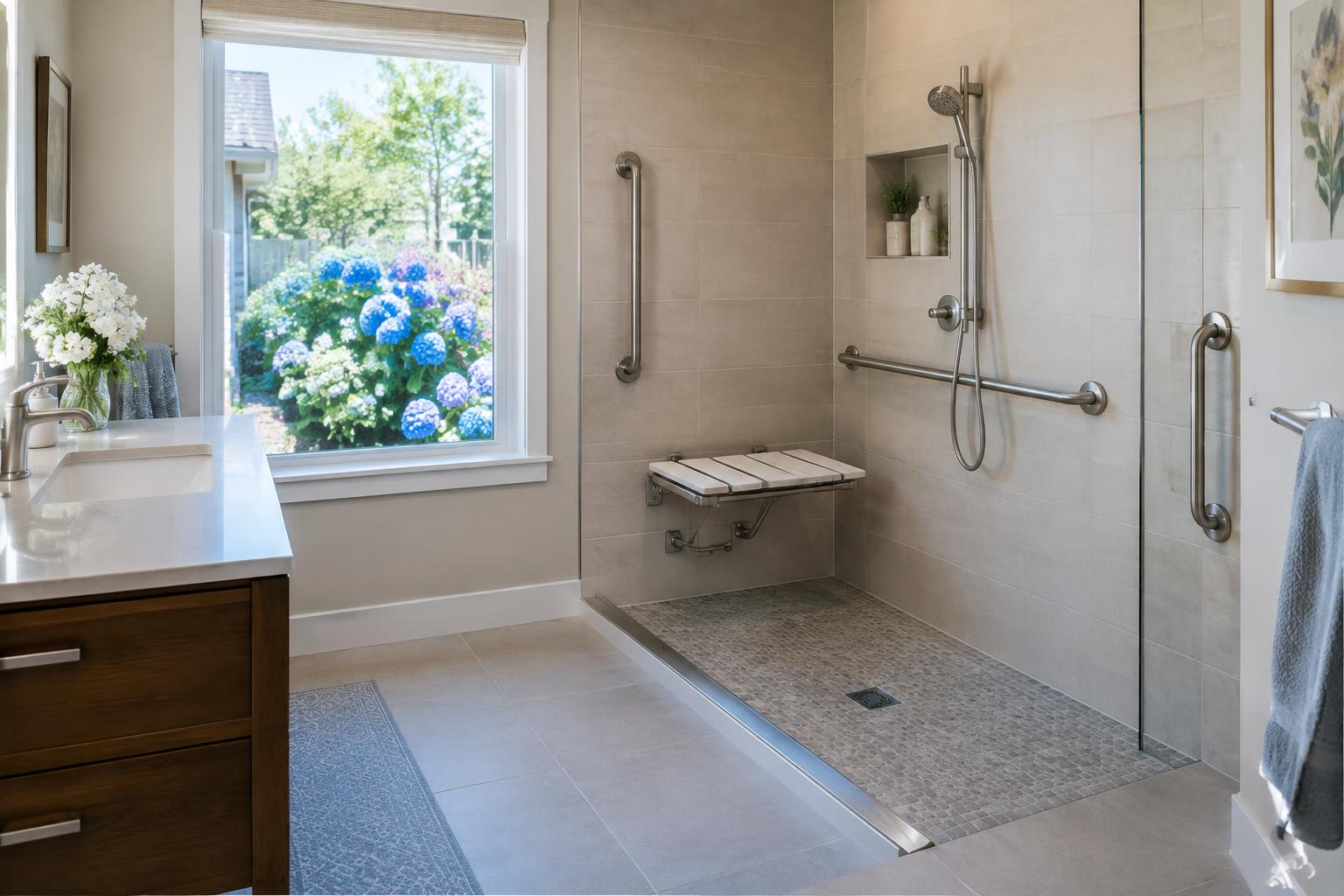
02Verify the Firm and the Work Practices
EPA recommends hiring a lead-safe certified contractor for renovation work in pre-1978 homes. Ask for the firm's relevant certification information and an explanation of who will direct lead-safe practices on your project. Do not treat familiarity with older houses as equivalent to documented qualifications. Clarify how subcontractors will be coordinated so that an electrical or plumbing visit does not disturb surfaces outside the precautions established for the main renovation work.
Request a practical description of the planned precautions, not simply a promise to be careful. The contractor should be able to explain containment, dust control, cleaning and the completion process appropriate to the job. EPA's steps for lead-safe renovation provide an authoritative framework for those questions. Avoid substituting a homeowner's improvised cleanup plan for the contractor's responsibilities or assuming that ordinary housekeeping equipment makes any demolition method acceptable.
03Plan Occupant Separation Before Work Begins
Ask where the work area will be established and how occupants will avoid it. Discuss entrances, bathroom access, meals, pets and the path workers use to remove debris. If the only route to an occupied room passes through the work area, that is a scheduling and occupancy problem to solve before construction. Do not assume a family can continue using every room simply because the overall project occupies only part of the home.
Consider whether temporary relocation is appropriate for the proposed work and household, and seek project-specific advice from qualified professionals. EPA identifies children as particularly vulnerable to lead exposure, so arrangements involving children deserve careful attention rather than casual assurances. Keep toys, clothing and household belongings out of the planned work zone. Establish who authorizes access and how residents will know when the area can be used again after the required completion steps.
04Include Debris and Completion in the Contract
Lead-safe planning should follow materials from disturbance through removal and cleaning. Ask how debris will be contained, where it will travel and how disposal will follow applicable requirements. In a condo or attached setting, consider the route through common or neighboring areas without assuming that the interior containment plan automatically addresses every transport condition. Identify who communicates with management or other affected parties when access arrangements are needed.
Ask what documentation and completion procedure apply to the work. EPA's renovation framework includes specific cleaning and verification practices; do not casually equate those with every form of lead clearance testing. Have the contractor explain the process required for the project and any additional testing being proposed. The agreement should distinguish these services clearly. At closeout, retain the relevant records so future renovation decisions are not based solely on memory or the appearance of fresh finishes.
Before disturbing painted surfaces in a pre-1978 home, establish assessment, qualified lead-safe work practices, occupant separation and documented completion procedures.THE SAROKEY APPROACH
05Coordinate Lead-Safe Work With the Renovation Plan
Lead-safe preparation does not replace structural review, trade coordination or permitting. DC DOB's alteration and repair guidance remains relevant to the underlying remodel. Likewise, receiving a construction permit should not be interpreted as a determination that painted surfaces are lead-free. Keep these responsibilities distinct in the project schedule, with enough time for assessment and planning before workers are committed to a demolition date.
If the scope expands, revisit the lead-safe plan rather than assuming the original precautions cover every new room and component. Do not use the home's age to declare all materials hazardous, and do not let uncertainty become an excuse for uncontrolled disturbance. The useful middle ground is documented evaluation, qualified work practices and clear occupant arrangements. A successful start to an older-home remodel is a deliberate sequence of decisions, not the earliest possible demolition day.