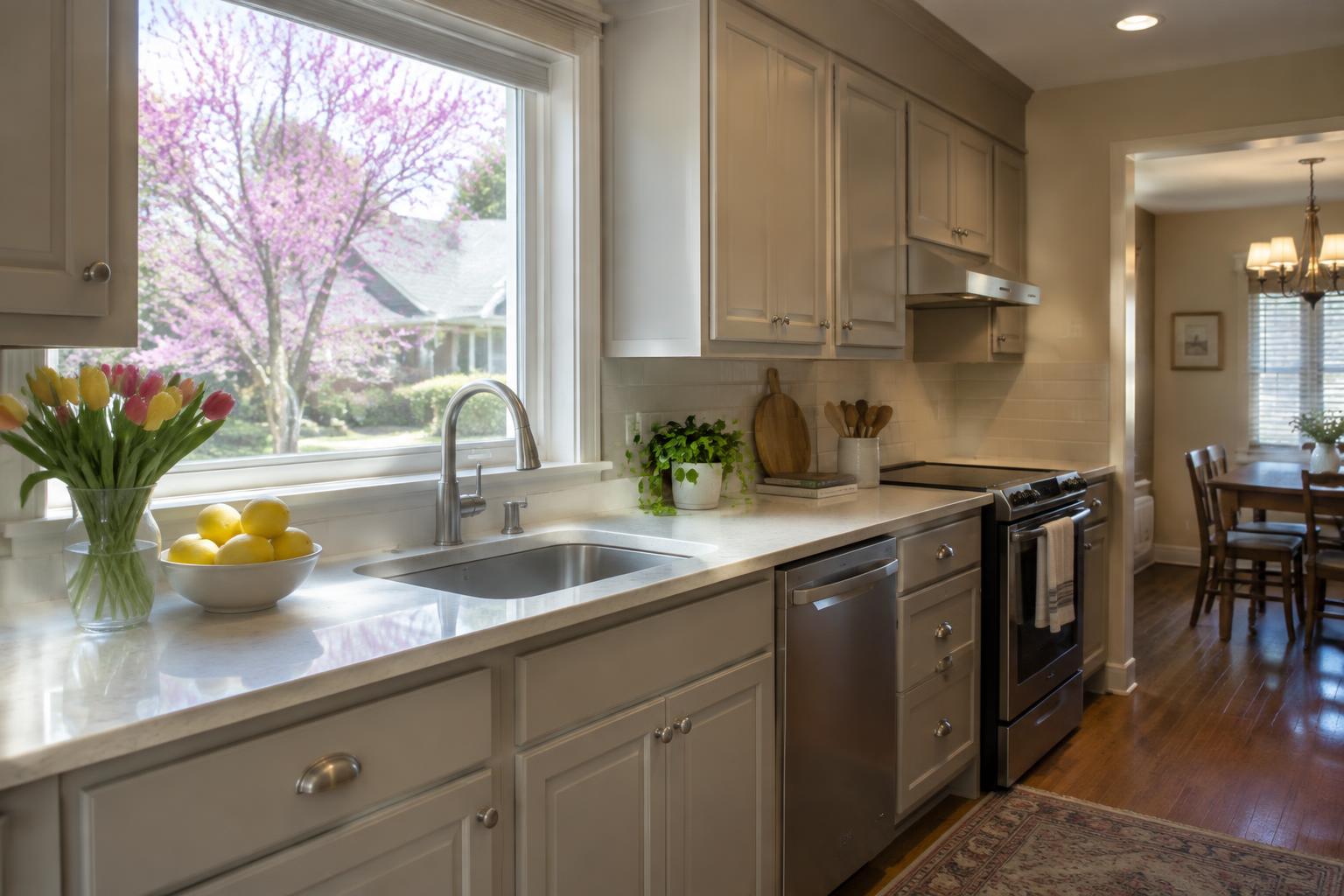
Separate dissatisfaction with the finish from the cabinets
Dogwoods and tulips are in bloom, windows are open again, and spring is when many homeowners finally decide which room comes first.
A dated cabinet color can make an entire kitchen feel tired, but color alone does not establish whether the cabinetry should be replaced. In a 1990s Gaithersburg colonial, the more important questions concern condition and arrangement. Are the boxes sound? Do doors hang properly? Is there damage near the sink or dishwasher? Can stored items be reached easily? Begin with an inspection and a list of functional complaints before collecting paint colors or replacement-door samples.
Then identify what you actually dislike. A heavy-looking stain, decorative door profile, awkward corner cabinet and poor appliance placement are four different problems. Painting may address one while leaving the others unchanged. Replacement may solve all four, but it also introduces more extensive work. Separating appearance from performance creates a fair comparison and helps avoid paying for a cosmetic intervention when the household's frustration comes primarily from the layout.
01Inspect the system, not just the visible doors
Cabinet doors receive most of the attention because they dominate the view, yet the boxes and connections determine what can reasonably be retained. Inspect interior surfaces, shelf supports, drawer operation and attachment points. Look closely around plumbing penetrations and at areas exposed to repeated moisture. A sticky drawer may need an adjustment; a damaged box may require a different response. Ask the person evaluating the cabinets to distinguish repairable defects from conditions that undermine the proposed reuse.
Review visible end panels, toe kicks, fillers and trim as part of the same system. A new door finish may highlight rather than conceal mismatched surrounding surfaces. Hinges and drawer hardware also need assessment for compatibility with any proposed changes. Do not assume a new front can be attached to every existing configuration. A reliable reuse plan describes what stays, what changes and how the retained parts will support the finished result.
02Understand what each improvement path can accomplish
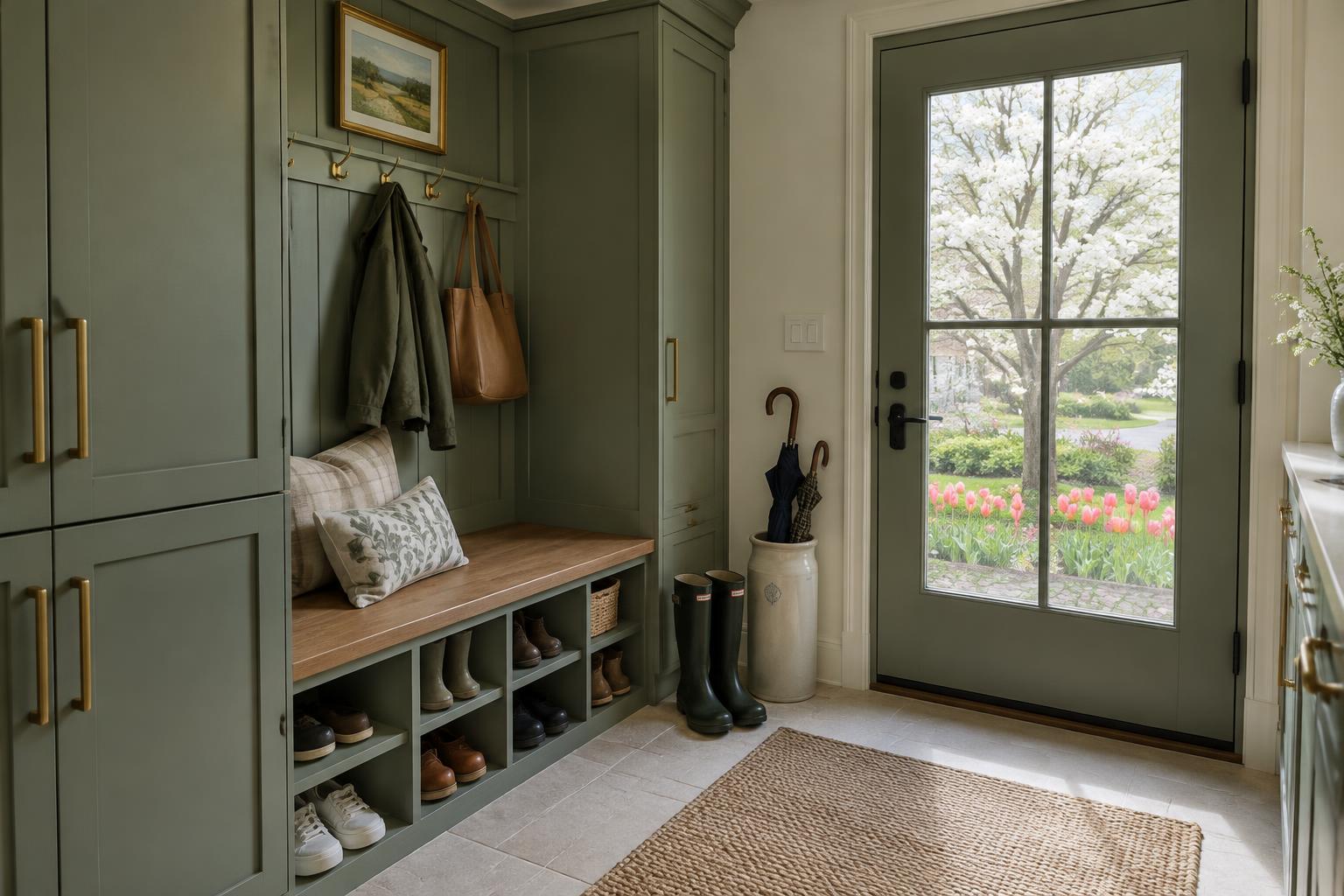
Refinishing or repainting generally retains the existing cabinet arrangement and fronts while changing their appearance through an appropriate preparation and finishing process. Refacing typically changes visible cabinet surfaces and doors while retaining suitable boxes. Replacement allows a broader redesign. These categories are useful starting points, but proposals vary, so compare the written scope rather than relying on the label. Surface preparation, repairs, hardware and treatment of exposed ends should all be clear.
Ask for a realistic explanation of limitations. A new finish does not create wider drawers, relocate a refrigerator or recover an inaccessible corner. Refacing does not automatically correct cabinets installed out of alignment. Replacement is not inherently a better choice if the existing layout already serves the household well. The appropriate path is the least disruptive one that can genuinely meet the agreed goals, not merely the one with the most appealing before-and-after image.
03Test the layout against the next set of appliances
Cabinet reuse should be coordinated with appliance plans before any finish work begins. Confirm the actual requirements of selected models rather than assuming a future refrigerator, range or dishwasher will fit because the old one did. Door swings, handles, ventilation provisions and installation access can affect neighboring cabinets. A household planning a different cooking arrangement may find that retaining every box restricts the very improvement motivating the renovation.
Countertops deserve equal attention. Decide whether they can remain, must be removed for other work or are already scheduled for replacement. Retaining counters while changing cabinets can create constraints, and removing them does not guarantee they can be reused intact. Coordinate backsplash edges, sink mounting and finished heights as part of the decision. A cabinet-only comparison becomes misleading when one option quietly depends on substantial countertop, plumbing or wall-repair work that the other option includes.
04Price comparable scopes and confirm jurisdiction
Ask each proposal to describe the same endpoints: operational hardware, repaired surfaces, finished exposed panels, installation responsibilities and cleanup. Identify exclusions, especially for electrical adjustments, plumbing reconnection and surrounding paint. Also ask what happens if additional damage is found once work begins. The goal is not to make every option identical, but to understand the complete result each delivers. A limited surface refresh should not be compared with a fully reconfigured kitchen as though only the cabinet finish differs.
Confirm whether the property lies inside the City of Gaithersburg or merely has a Gaithersburg mailing address. County guidance identifies the city as its own building-permit jurisdiction. For county-regulated properties, DPS residential-alterations guidance distinguishes alterations from certain nonstructural finish work. The relevant review depends on the whole scope, including any associated trade work, not on whether a proposal is marketed as a cabinet update.
Retain cabinets when their condition and layout support your goals, not simply because a new finish can make them look different.THE SAROKEY APPROACH
05Choose a durable direction, not a temporary disguise
Review finish samples beside the existing floor, countertop and nearby rooms in both daylight and evening light. A sample that looks fresh on its own may accentuate an unwanted undertone elsewhere. Discuss cleaning and care expectations for the proposed finish, and obtain them in writing. If retained cabinets need functional upgrades, specify those alongside appearance changes rather than hoping they can be added casually after the refinishing work is complete.
Finally, consider how long the selected path can serve your actual plans. If the kitchen layout is likely to change soon, an extensive cosmetic intervention may become stranded work. If the layout is strong and the boxes are suitable, replacement may discard useful material without delivering a meaningful daily benefit. The decision becomes clearer when condition, function and future changes are evaluated together. Keep what can perform well, and replace what would otherwise continue to constrain the room.